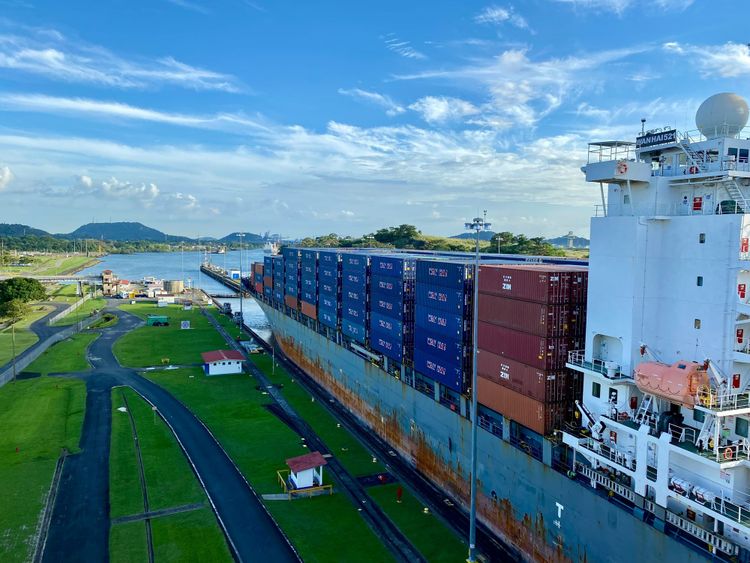
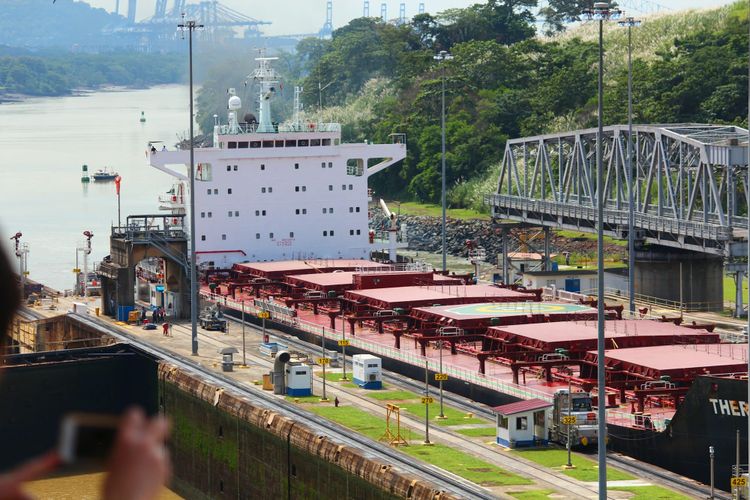
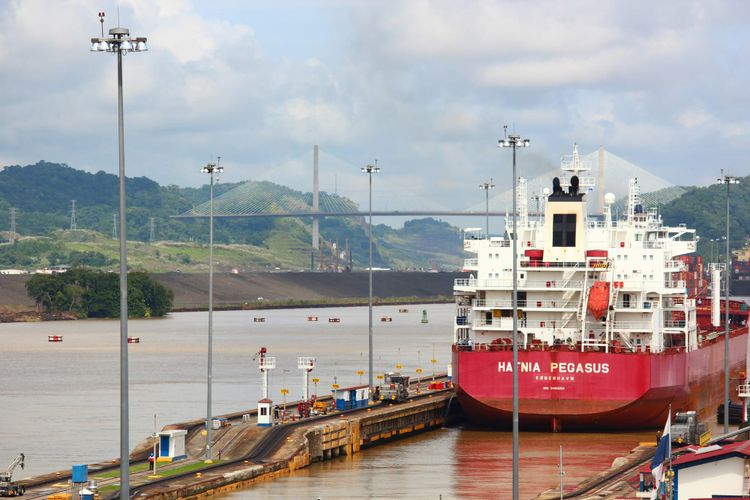
The Panama Canal will enter October with more water than previously projected, giving the waterway additional protection before the dry season despite a continuing rainfall deficit and restrictions on ship traffic.
Ayax Murillo, hydrology manager at the Panama Canal Authority, said the Canal has avoided consuming its strategic water reserves during September.
Figures presented by the authority show that 416 million cubic metres of water entered the reservoir system through September 24, while 245 million cubic metres were used. That left a positive balance of 171 million cubic metres, compared with 51 million in August.
Operational water-saving measures have helped reduce consumption at the locks from approximately 33 to 28 cubic metres per second, according to Murillo. The authority did not release a revised transit schedule as part of the presentation.
The improved balance does not mean the drought threat has passed. Rainfall across the Canal watershed between May 1 and September 23 remained 30% below the amount normally expected.
The authority estimates that it has about 50 days, through the middle of November, to capture additional rainfall before conditions become more demanding during Panama’s dry season.
The Canal currently permits 32 ship transits per day, down from 36 before restrictions began in September. The maximum authorized draft at the Neopanamax locks remains 48 feet. The authority expects to maintain those operating limits through December, although future decisions will depend on rainfall and reservoir conditions.
Gatún Lake contained an estimated 717 million cubic metres of available water on September 24. Canal reservoirs also provide drinking water to more than half of Panama’s population, requiring the authority to balance shipping demand against public consumption.
Murillo said the Canal remains in drought conditions and continues to monitor El Niño. The September improvement therefore provides a larger buffer rather than a return to normal water availability.
Sources: La Prensa, Reuters