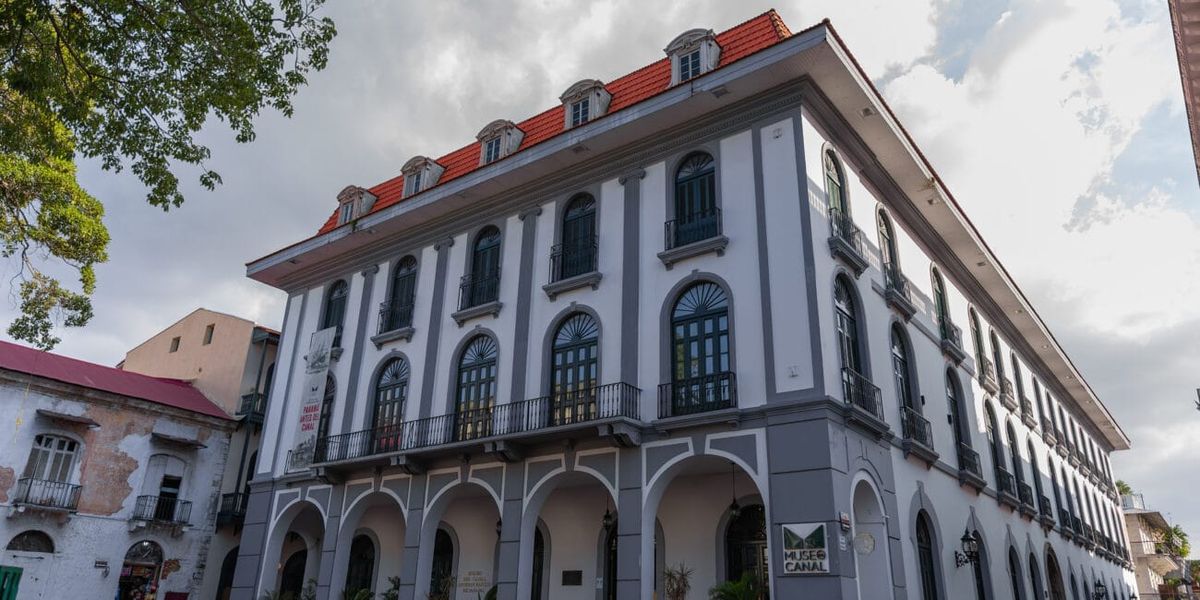
Panamanian artist Isabel De Obaldía has brought more than 60 works to the Canal Museum for an exhibition examining how Darién has been depicted, inhabited and remembered across five centuries.
Mar Tenebroso, Selva Indomable opened to the public on September 26 and is scheduled to remain at the museum in Casco Antiguo through May 2, 2027.
The exhibition combines 42 glass works, 18 altered monotypes, drawings and large-format paintings. It marks De Obaldía’s return to painting on a large scale for the first time since 2010.
Its historical starting point is the Spanish arrival in the Gulf of Urabá and the establishment of Santa María la Antigua del Darién in the early 16th century. The settlement was built in territory associated with the Indigenous community of Cémaco and became one of the earliest Spanish settlements on the American mainland.
De Obaldía developed the exhibition through research involving colonial chronicles, historical maps and material from the Canal Museum’s archives. Her works include imagined landscapes, animals, wounded bodies and Indigenous historical figures.
The exhibition also asks whose perspectives survive in the written record. Much of what is known about the period comes from reports and correspondence produced by Spanish colonists for the Crown, leaving comparatively little testimony from the communities already living in the region.
A contemporary parallel runs through the exhibition. De Obaldía has previously worked extensively on migration through the Darién Gap and visited the region during the recent migration crisis. She has noted similarities between the routes taken by early European expeditions around the Gulf of Urabá and those followed centuries later by migrants travelling north from Colombia.
The Canal Museum is open Tuesday through Sunday from 9 a.m. to 6 p.m., with ticket sales closing at 5:30 p.m. Standard admission is $5 for Panamanian citizens and residents and $15 for non-resident adults.
Sources: Canal Museum, TVN