Panama has begun a housing-recovery programme for communities damaged by the October 9 earthquake, as the official count of affected residents reached 6,174 and another strong tremor shook the country Monday evening.
President José Raúl Mulino said in a national address on October 12 that technical teams had evaluated 1,744 homes. The figures remain preliminary and are expected to change as inspections continue in remote communities.
Beginning Tuesday, the Ministry of Housing will send construction materials to families whose homes can be repaired. The government will also commission permanent two- and three-bedroom houses designed by engineers and architects from the National Police, with construction assigned to local companies under standardized prices.
Officials said contractors would initially attend approximately 1,300 affected homes. Public statements have not made clear how many require repairs and how many will be replaced completely. The government has also not disclosed the programme’s cost, construction schedule or criteria for selecting beneficiaries.
The housing plan forms part of a wider recovery effort concentrated in Veraguas, Herrera, Los Santos and Coclé. Authorities reported that 35 schools were destroyed and that 67 of Panama’s 842 public health facilities sustained damage. The Health Ministry estimates that restoring the affected medical infrastructure will require approximately $60.9 million. The badly damaged rural hospital in Tonosí is expected to be replaced rather than repaired.
The recovery is proceeding amid continued seismic activity. The U.S. Geological Survey recorded a preliminary magnitude 6.1 earthquake at approximately 6:20 p.m. Monday, about 18 kilometres west of Río Grande and at a depth of 10 kilometres. There were no immediate reports of casualties or new damage.
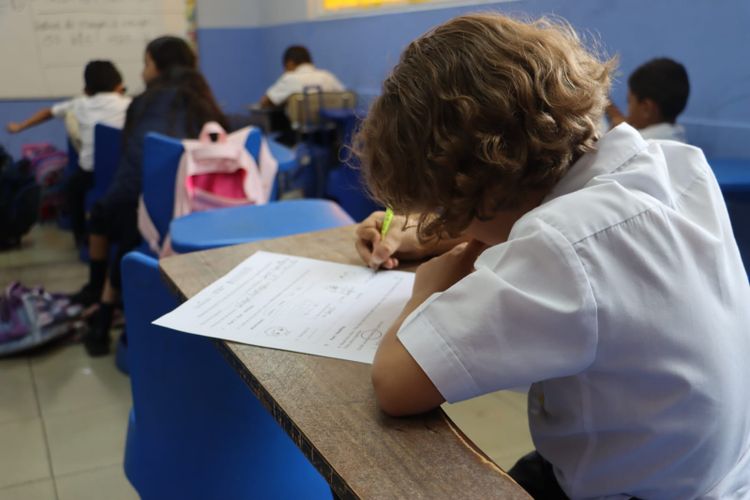
Private schools may reopen Tuesday if administrators determine that their buildings are safe. Public schools are scheduled to resume gradually from Wednesday, subject to structural clearance.
Mulino also announced plans for an integrated public-warning system covering earthquakes and other natural hazards. The system is being donated by an unidentified foreign country; its capabilities, cost and implementation date have not yet been published.
Sources: AP, TVN