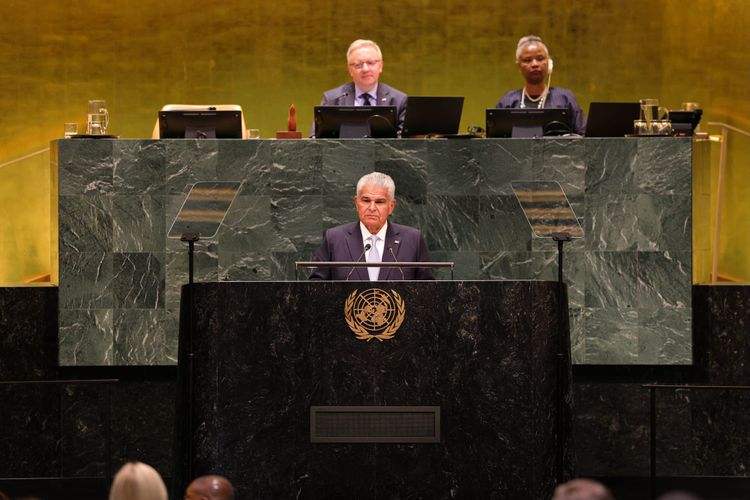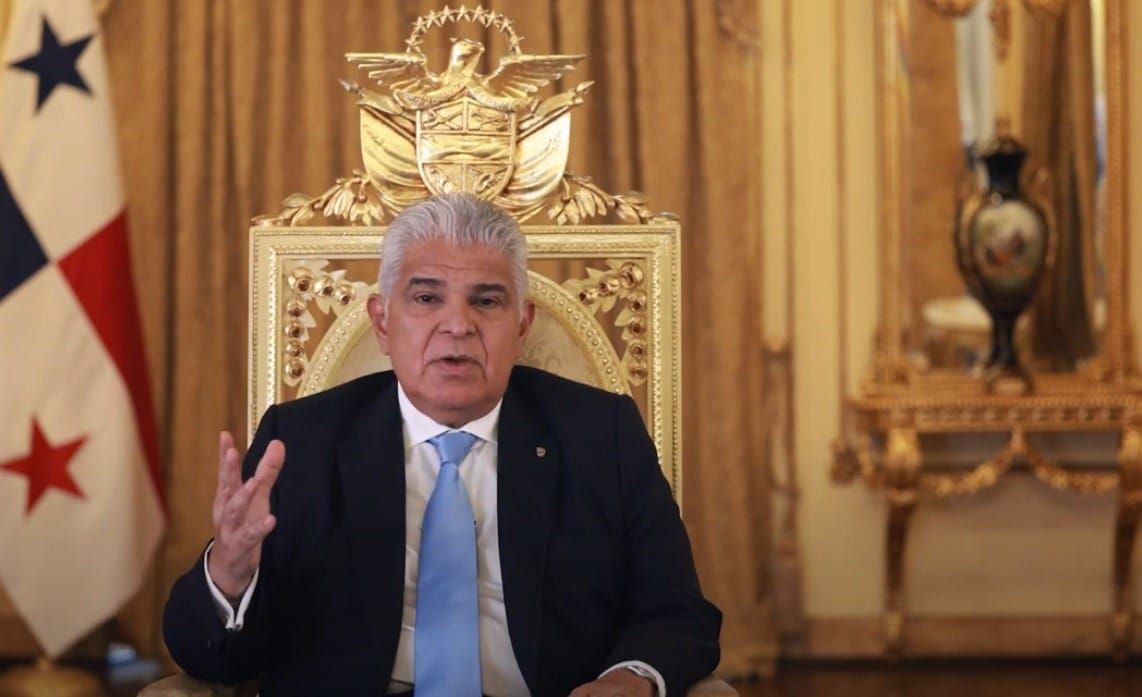
President José Raúl Mulino has vetoed legislation that would have significantly expanded the discounts businesses must provide to Panama’s retirees, pensioners and older adults.
Mulino announced the decision on September 20 and returned Bill 226 to the National Assembly. The bill had cleared its final legislative debate in August but had not entered into force.
The proposal would have increased or introduced discounts across numerous services. These included a 30% reduction on medicines, 15% on private health services, 30% on qualifying residential water and internet bills, and reductions on medical equipment and adult-hygiene products.
It would also have required minimum discounts on some bank charges, card-related fees and insurance products. Businesses that failed to apply the benefits could have faced fines of up to $10,000.
Mulino acknowledged what the Presidency described as the bill’s legitimate social objective but said its provisions conflicted with existing legislation and Panama’s Constitution. The government had also been discussing the proposal with retiree organizations and business groups concerned about its financial impact, particularly on smaller companies.
The veto means Panama’s existing pensioner and senior-citizen benefits remain unchanged. Mulino said on September 15 that his administration wanted to develop a replacement measure that was targeted and financially sustainable, with the aim of reaching an agreement before the Assembly’s current session ends in October. No replacement bill has yet been approved.
Mulino separately issued a partial veto against Bill 594, which would change the National Assembly’s internal rules. He objected to nine articles on constitutional and policy grounds.
Among the most contested provisions were changes that would give lawmakers a role in promoting and managing projects in their electoral districts and seek minimum budget allocations for local works. Transparency advocates argued that these provisions intruded on executive and municipal responsibilities.
Both bills now return to the National Assembly, which must decide how to respond to the president’s objections.
Sources: